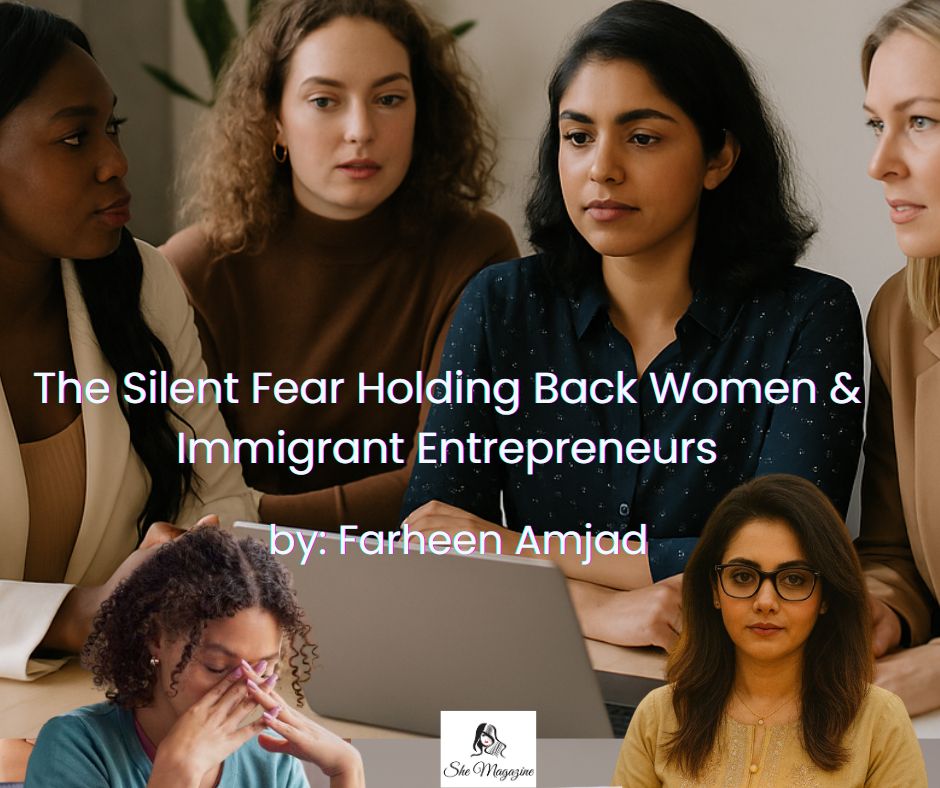
For many women and immigrant entrepreneurs, fear doesn’t arrive loudly. It arrives dressed as “wisdom.”
“People like us shouldn’t take big risks.”
“I’ve seen too many failures in my community.”
“I already tried once — I can’t afford another mistake.”
“My family depends on me. What if I fall?”
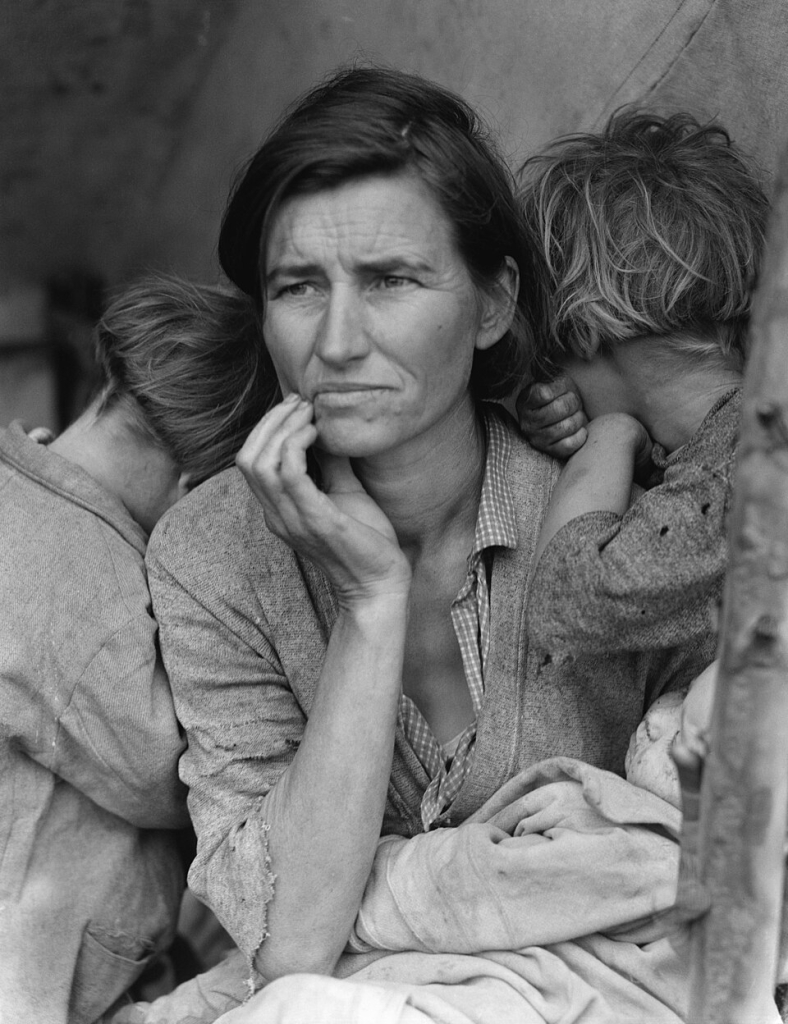
These thoughts feel responsible. Mature. Practical. But beneath them often sits a powerful psychological trap: confirmation bias.
Confirmation bias is the mind’s habit of searching for and remembering only the evidence that supports what it already believes. If you believe business is unsafe for women like you — juggling family, cultural expectations, visa pressures, finances, reputation — your mind will quietly collect stories of collapse, debt, burnout, and public embarrassment. It will overlook the quieter stories of women who failed, regrouped, pivoted, and rebuilt.

This bias becomes even stronger after personal failure. One unsuccessful venture doesn’t stay an event — it starts to feel like an identity. “Maybe I’m not cut out for this.” From that moment, every setback becomes proof that you were right to doubt yourself.

For immigrant women especially, failure carries extra emotional weight. It feels public. It feels shameful. It feels like confirming every fear your family ever had about you taking a non-traditional path. So the brain does what it thinks is protective: it says, “Don’t try again.”
But here’s the truth: confirmation bias doesn’t protect you from risk — it protects you from possibility.
So how do you break it?
First, by separating who you are from what didn’t work. A failed business is data, not destiny. Ask practical questions instead of personal ones: Was it the pricing? The timing? The market? The support system? When you diagnose instead of self-blame, fear loses its grip.
Second, by intentionally collecting balanced evidence. For every failure story your mind clings to, go find one real story of a woman who failed and still succeeded later. Not for motivation — for perspective. Your brain needs proof that recovery is real, not rare.

Third, by respecting risk without romanticising safety. Playing safe often feels noble, but safety can quietly become stagnation. Growth has never been comfortable for women who had to cross borders, rebuild from zero, or carry entire families on their shoulders.
Finally, by taking small, controlled steps back into action. You don’t need a full leap. You need a test. A pilot. A prototype. One paying client. Confirmation bias weakens when reality starts giving new feedback.

Most women and immigrant entrepreneurs are not afraid because they are incapable. They are afraid because their minds have been trained — through experience, culture, and loss — to look for danger before possibility.
But the same mind can be trained again.
Your story is not finished because one chapter went wrong. And the greatest risk is not failing again — it is letting a biased memory decide what you are allowed to attempt next.
Written by:
Farheen Amjad